
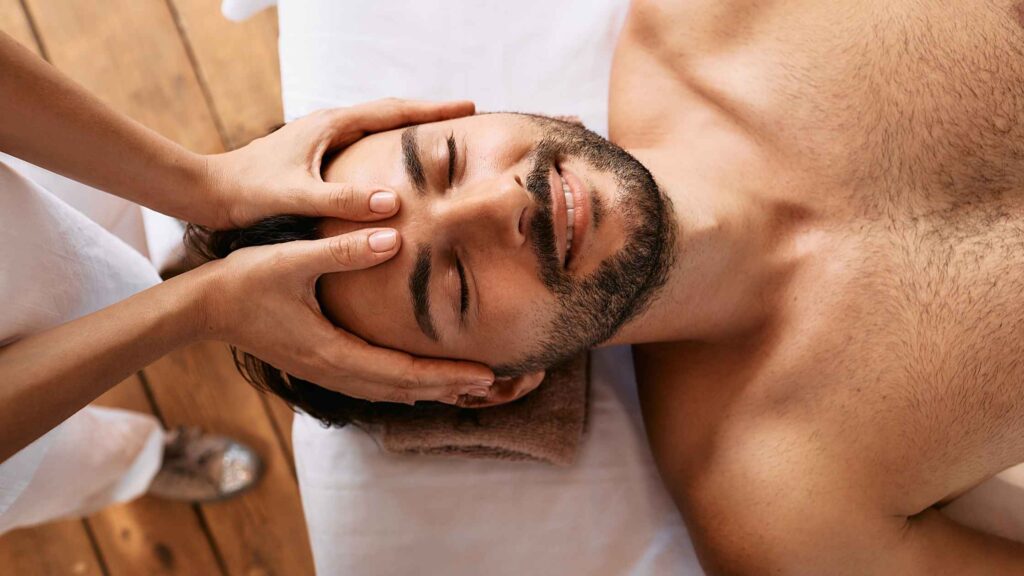
Head massage, often referred to as scalp massage, is a therapeutic practice that has been embraced across cultures for its myriad benefits. From stress relief to improved hair health, head massages offer a holistic approach to well-being. This article delves into the techniques, benefits, and step-by-step guidance on how to perform an effective head massage.
Understanding Head Massage
Head massage encompasses various techniques that target the scalp, neck, and shoulders. It can be performed with or without oils and is often integrated into broader massage therapies. The practice is particularly popular in Indian culture, where it forms a part of Ayurvedic healing traditions. A typical session lasts between 30 to 45 minutes and can be done while the client is seated or lying down.
Benefits of Head Massage
Stress Relief: One of the most significant advantages of head massage is its ability to alleviate stress. The gentle pressure applied during the massage stimulates the release of endorphins, which help improve mood and reduce anxiety.
Improved Circulation: Head massages enhance blood flow to the scalp, promoting better oxygenation of hair follicles. This can lead to healthier hair growth and may prevent hair loss.
Tension Relief: Many individuals experience tension headaches due to muscle tightness in the neck and shoulders. Head massages can effectively relieve this tension, providing comfort and relaxation.Enhanced Mental Clarity: Regular head massages can help clear mental fog, improve focus, and boost cognitive function by increasing blood circulation to the brain.
Better Sleep: The relaxation induced by head massages can improve sleep quality by calming the mind and reducing anxiety levels.
Techniques Used in Head Massage
Head massage employs various techniques that can be tailored to individual needs:
Effleurage: Soothing strokes that promote relaxation.
Petrissage: Kneading movements that relieve muscle tension.
Tapotement: Rhythmic tapping that invigorates the scalp.
Friction: Circular rubbing motions that stimulate blood flow.
Feathering: Light finger strokes for a gentle touch.
Stretching: Gentle stretches of the neck muscles.
Rotation: Movements focusing on shoulder joints to relieve tension.
How to Perform a Head Massage
Preparation
Create a Relaxing Environment: Ensure the space is quiet and comfortable. Dim lights and soothing music can enhance relaxation.
Choose Your Oils: While optional, using essential oils like lavender or coconut oil can increase the benefits of your massage by nourishing the scalp.
Step-by-Step Guide
Start with Shoulders:
Begin by massaging the shoulders to release initial tension.
Apply gentle pressure using your fingertips and palms in kneading motions.
Move to the Neck:
Gently massage the neck using circular motions with your fingers.
Focus on the nape where tension often accumulates; hold pressure for a few seconds before moving on.
Scalp Massage:
Using both hands, apply light pressure while moving your fingers in circular motions across the scalp.
Start from the base of the skull and work your way up to the crown.Use a “shampooing” motion where you keep the heel of your hands in contact with the scalp while your fingers move upward.
Focus on Temples and Forehead:With your fingertips, apply gentle pressure in circular motions on your temples.
Move from the center of your forehead towards each temple, allowing relaxation to deepen.
Finishing Touches:
Gradually reduce pressure as you conclude the massage.
Smoothly transition from one area of focus to another without abrupt movements.
Post-Massage Care:
If you used oils, consider washing your hair afterward with a gentle shampoo.
Hydrate well post-massage for optimal recovery.
Additional Tips for an Effective Head Massage
Communicate with Your Partner: If performing on someone else, ask about their comfort levels regarding pressure and technique.
Use Tools if Necessary: Scalp massagers or brushes can enhance stimulation if preferred over manual techniques.
Consistency is Key: For maximum benefits, incorporate head massages into your regular self-care routine—ideally once a week.
Conclusion
Head massage is more than just a relaxing indulgence; it offers numerous health benefits that contribute to overall well-being. By understanding its techniques and incorporating them into your routine, you can experience significant improvements in stress levels, hair health, and mental clarity. Whether performed professionally or at home, head massage serves as a powerful tool for enhancing both physical and emotional health.